
Description

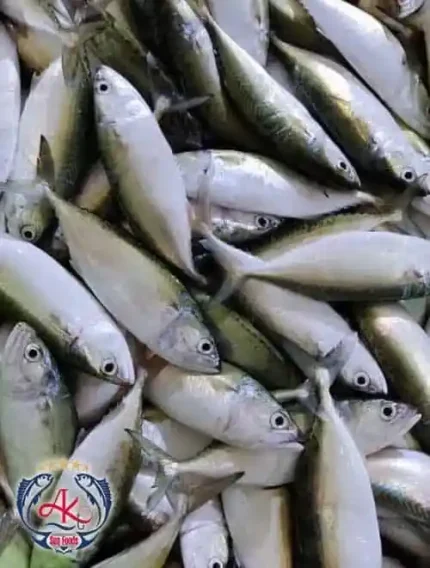
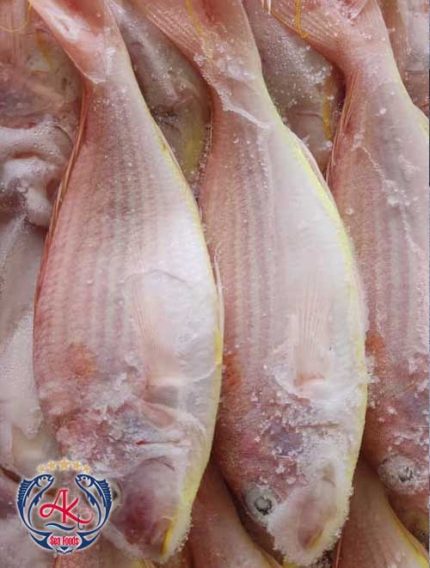
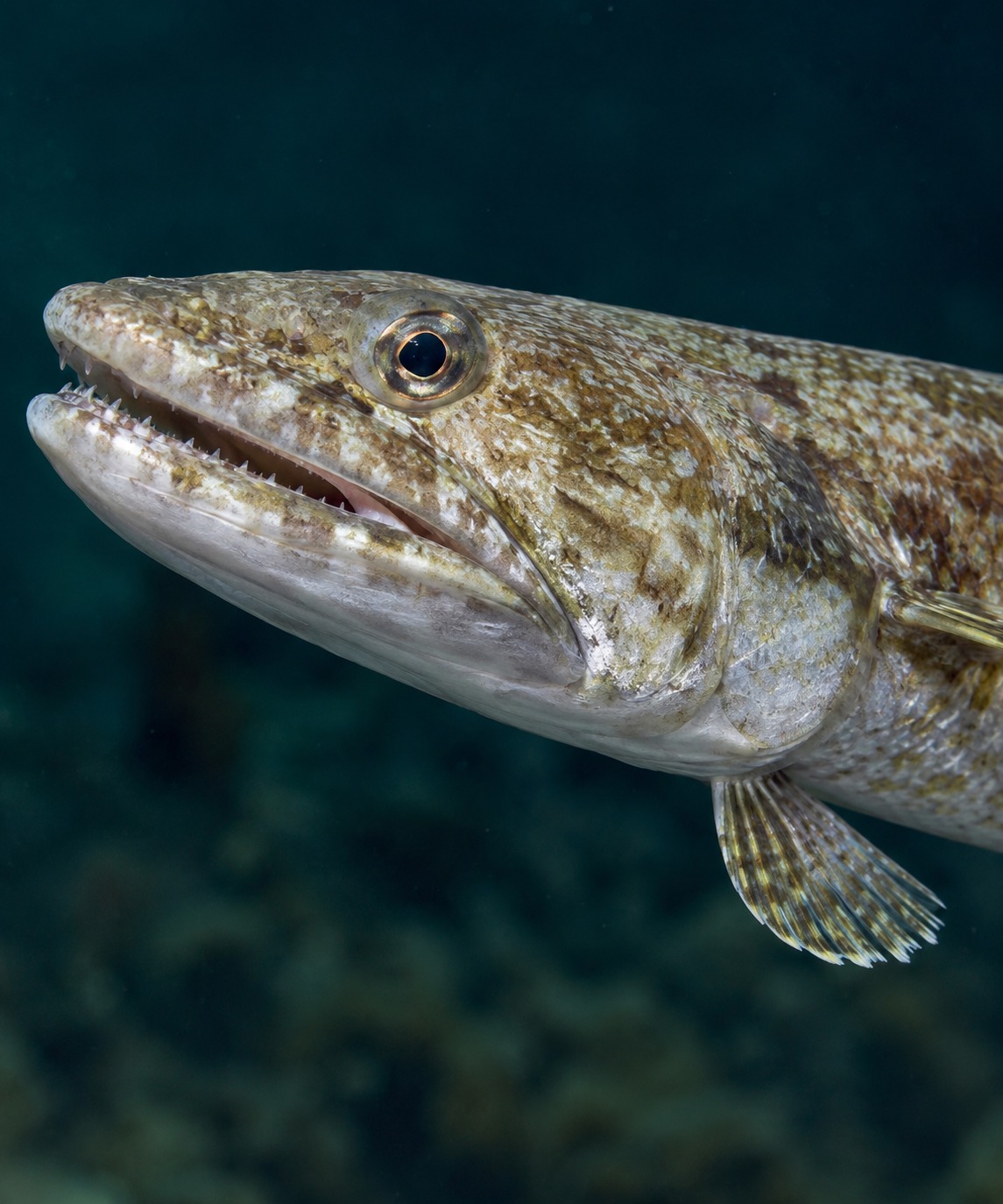
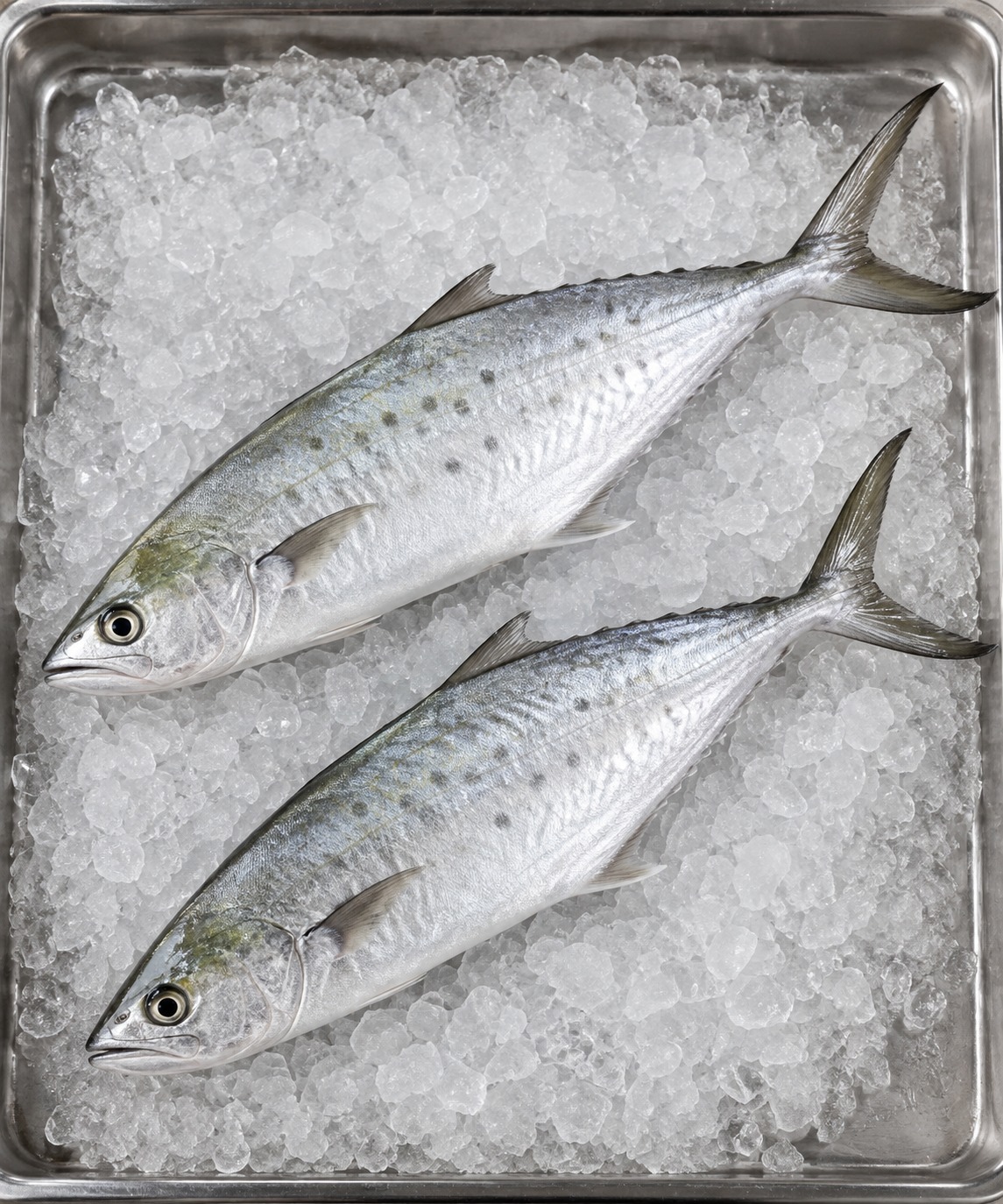
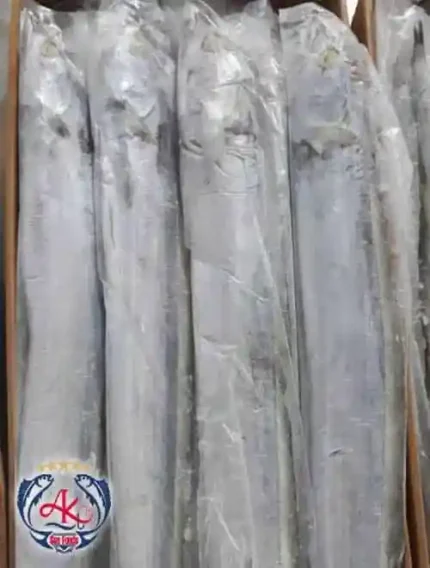
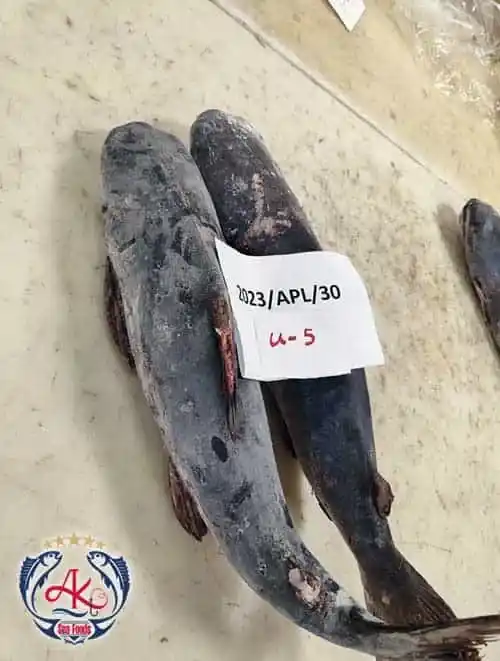
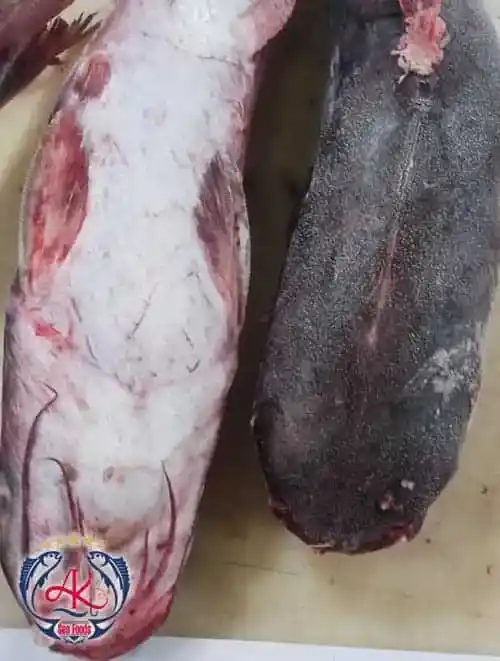
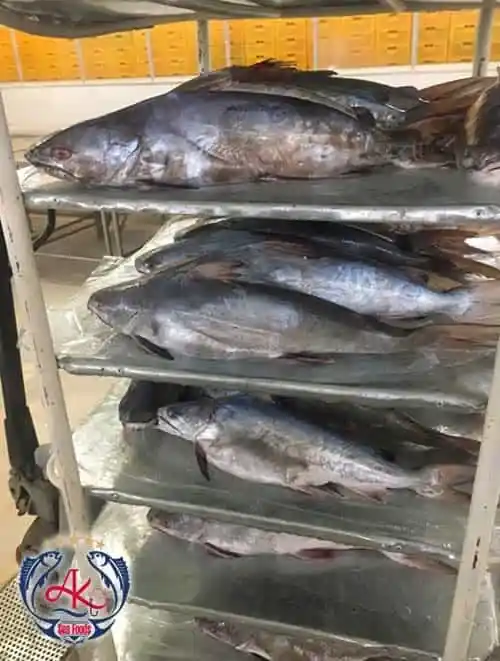
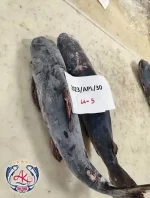
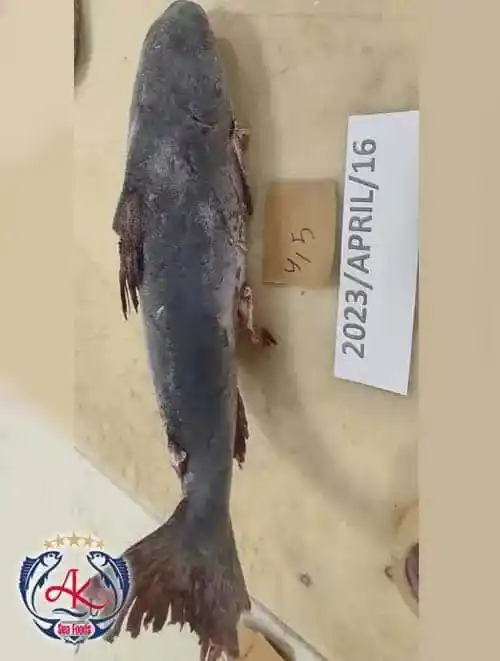
The sea catfish is a valuable and rare treasure that lives in the depths of the sea. This fish is also called the white gold of aquatic animals. Iran Fish, as a leading group in the industry of breeding and supplying high-quality aquatic animals in Iran, offers this exceptional fish as one of its exclusive products to the domestic and international markets.

Scientists classify the sea catfish in the order of Siluriformes. People can find it in a wide area that includes the center, south, and east of the European continent and extends to the vicinity of the Baltic Sea and the Caspian Sea basin. Its various types inhabit many parts of the world, especially the waters of tropical and subtropical regions. There are many different sizes of it.

Frozen Catfish Supplier

Biological and fishery characteristics of sea Catfish

Most of the depths of about 50 meters of the sea are their habitat and they rarely live in freshwater. Although many species of this fish can also enter freshwater. The number and distribution of this fish in the Persian Gulf waters is about 3.6 times that of the Sea of Oman. Catfish have 30 genera and 153 different species in the waters of the world. All of these types are distributed in tropical and subtropical regions. Catfish have a branched caudal fin and a swim bladder. This type of fish with its adipose fin often has three pairs and rarely two pairs of whiskers. Its middle mouth is transverse or crescent-shaped. Its upper jaw is more or less prominent and has fluffy and conical teeth on both jaws. The body of this type of fish is scaleless, but has a relatively curved lateral line.

Catfish have bony plates on the head and on the side of the dorsal fin. It also has spines on both pectoral (chest) and dorsal fins. These pectoral spines may sting. It is interesting to know that most male fish keep the eggs in their mouths until they hatch. Catfish has edible and consumer-friendly meat. People in countries without religious restrictions generally consume this aquatic animal, and fishers catch it using bottom trawls, purse seines, bottom gillnets, fish traps, gillnets, and hooks. Catfish can grow to over 100 centimeters in length.

Rainbow trout has a wide rainbow-shaped stripe on each side of the body. Spawning begins in late winter and continues until late spring and is about 1000 to 5000. This species of fish is mostly found in rivers.

Catfish species in Iranian waters

1. Raphael's Spotted Catfish

  • Scientific name: Arius maculates
  • Persian and local name in Iran: Spotted Catfish
  • English name: Raphael's Spotted Catfish
  • Arabic name in the Arab countries of the Persian Gulf, the Sea of Oman and other countries: Abu Sheneb

According to reports, the spotted catfish lives in the waters of Iran and other countries such as Bangladesh, Brunei Darussalam, Cambodia, China, Hong Kong, India, Indonesia, Japan, South Korea, Malaysia, Myanmar, Oman, Pakistan, Philippines, Singapore, Sri Lanka, Taiwan, Thailand, East Timor, Vietnam and Yemen. The spotted catfish lives in the deep bottom of freshwater and saltwater. It is a deep-sea fish and lives at a depth of 50 to 100 meters in freshwater. Adult spotted catfish are found in waters near the coast and in estuaries.

Appearance and Physiological Characteristics of Spotted Catfish:

  • Size: The bronze catfish has an elongated body and a ribbon-shaped tail. Its spine has 53 to 58 vertebrae and a small adipose fin. Its maximum standard length is 62 cm.
  • Food Source: The bronze catfish is carnivorous and very opportunistic. The bronze catfish eats seaweed, crustaceans, fish, shrimp, scales and pyroclastic materials.
  • Economic Value: The bronze catfish has a relatively low commercial value. The bronze catfish is also used for sport fishing.
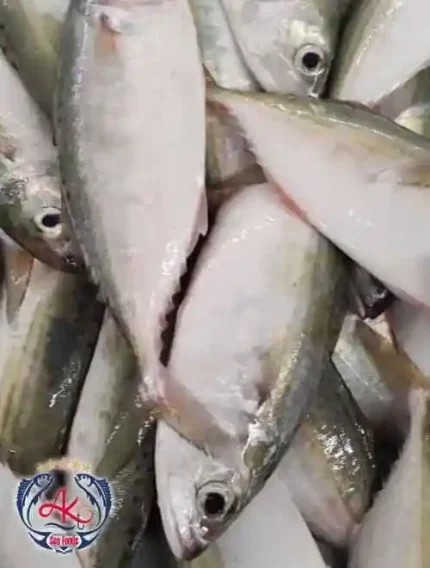
2. Bronze Catfish

  • Scientific Name: Netumabilineata
  • Persian and local name in Iran: Bronze catfish, snub-nosed catfish
  • English Name: Bronze Catfish
  • Arabic name in Arab countries of the Persian Gulf, the Sea of Oman and other countries: Sham or Cham

The bronze catfish lives in the waters of Iran, Asia, as well as Bahrain, Cambodia, China, India, Indonesia, Iraq, Japan, Kuwait, Oman, Qatar, Saudi Arabia, Sri Lanka, Thailand, the United Arab Emirates, Vietnam, Yemen and in Oceania (Australia, Papua, New Guinea). This species lives on the seabed, in fresh and salt water, in tropical areas, in coastal waters and from estuaries to the continental shelf.

Physiological Appearance & Behavior of Bronze Catfish

  • Size: Maximum total length is 80 cm and average length is 30 cm. According to research, the largest spotted catfish ever recorded was 48 cm and the heaviest was 1820 g. Most spotted catfish are 19 to 22 cm long.
  • Food Source: They eat invertebrates and small fish. Other food sources of spotted catfish include fish eggs, crabs, shellfish, and shrimp.
    Catching spotted catfish: Usually done by trawls, bottom gillnets, purse seines, and local fishing traps set by countries. It has also been reported that this work is done by trawls and gillnets in Mashta, Iran.
  • Economic Value of Spotted Catfish: Spotted catfish is of great commercial importance. Markets sell spotted catfish fresh, and people in many countries popularize this type of fish. Furthermore, manufacturers make a substance called isinglass from the dried swim bladder of catfish, and the wine industry uses it.

3. Giant Catfish

  • Scientific name: Netumathalassina
  • Persian and local name in Iran: Giant Catfish
  • English name: Giant Catfish
  • Arabic name in the Arab countries of the Persian Gulf, the Sea of Oman and other countries: Khen, Ken, Jem

The giant catfish lives in the waters of Iran as well as in Kuwait, Oman, Australia, Malaysia, China, Hong Kong, India, Indonesia, the Philippines, Myanmar, Sri Lanka, Taiwan, Vietnam, Thailand, Cambodia, Djibouti, Egypt, Eritrea, Yemen, Mozambique, Somalia, Tanzania, etc. This giant fish lives at a depth of 10 to 195 meters in freshwater and saltwater and tropical areas, on soft, hard and rocky seabeds with seagrass and coral. Although it is a marine species, it is often seen in estuaries and rarely enters freshwater.

Physiological Appearance & Behavior of Giant Catfish

The giant catfish has an elongated body. The snout is sharp in males and the lower jaw is shorter than the upper jaw and rounded in females. The male fish ranges from dark brown (red) to bluish-gray on the back with dense pigmentation on the belly. The female catfish also ranges from gray to darker in color.

  • Size: The maximum standard length is 185 cm and is usually 70 cm.
  • Weight: The heaviest giant catfish was 1 kg.
  • Food Source: The giant catfish mainly eats shrimp, crabs, as well as echinoderms such as sea cucumbers, but they also eat fish and mollusks.

People around the world highly value the giant catfish and widely eat it. Fishermen and markets often sell this fish fresh, but they also sometimes sell it dried or frozen. Furthermore, anglers actively pursue and catch giant catfish for the purpose of sport fishing.

Why do we recommend buying Iran Fish marine catfish?

  1. Natural and sustainable source: Our fish are caught from the nutrient-rich waters of the Caspian Sea, which guarantees the best taste and quality.
  2. Processing under international standards: All cleaning, packaging and freezing processes are carried out in our well-equipped factories and in accordance with the strictest health standards (such as HACCP and ISO).
  3. Competitive price: Thanks to direct fishing and the elimination of intermediaries, we provide this premium product at a very competitive price to our business partners as well as our customers around the world.

For price inquiries, sample requests and bulk orders, please contact Iran Fish sales experts. We are ready to provide advice and establish a sustainable and profitable partnership.

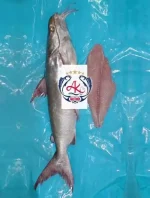
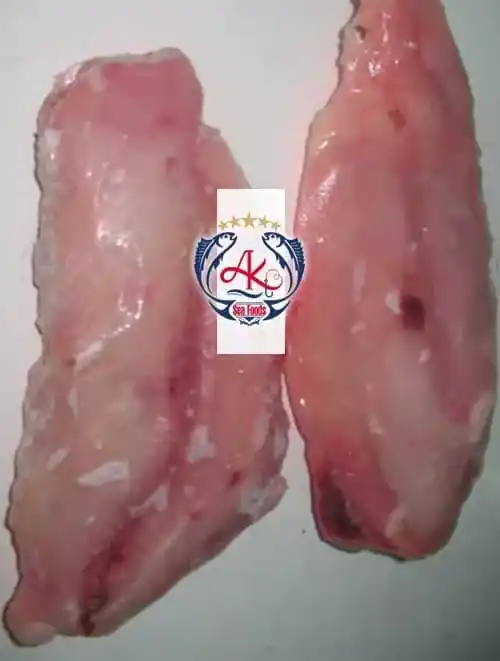
First Class Catfish Fillet
Reviews (0)

Reviews

There are no reviews yet.

Be the first to review “Cattfish”

Your email address will not be published. Required fields are marked *