





Description

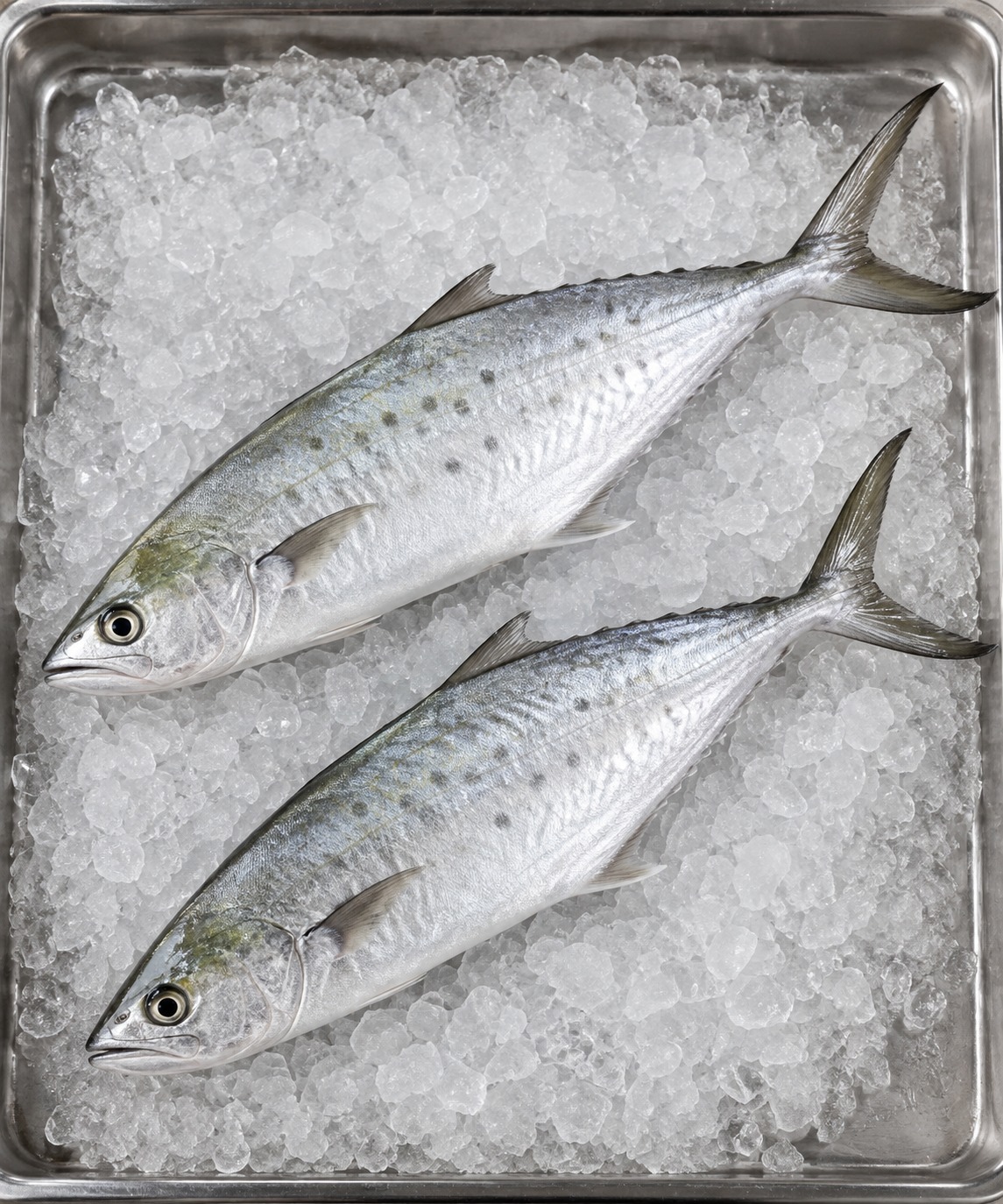
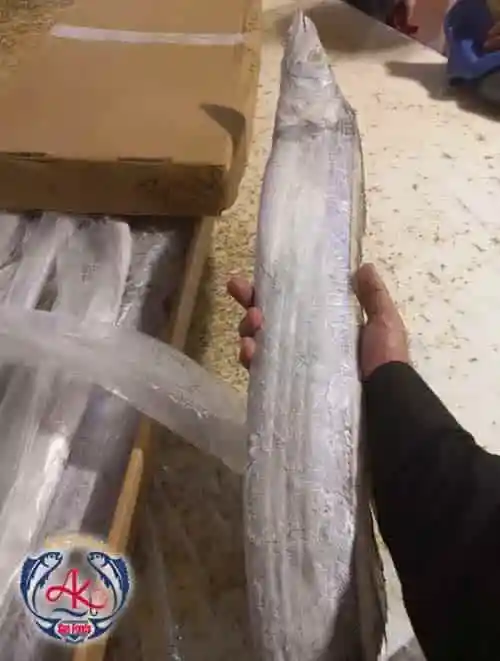
Ribbonfish belongs to the marine fish family. It has a long body and compressed sides that give them a ribbon-like appearance. Ribbonfish swim in the open sea. This Fish do not have anal fins, but their dorsal fins are the same size as their bodies, and the fins on their stomach have 1 large and 9 small fin rays. They are rarely seen alive. They are usually dead and floating on surfaces of the ocean. Ribbonfish is among economically valuable fish. This fish is widely found in the Persian Gulf waters and Sea of Oman.

It is one of the most important fish stocks in the Persian Gulf and the Sea of Oman, which needs to be studied more in biological and environmental fields. The habitat and fishing ground of ribbonfish is in Bushehr province and the Mataf region in Dir city. The fishing season of ribbonfish starts in May and continues until September.

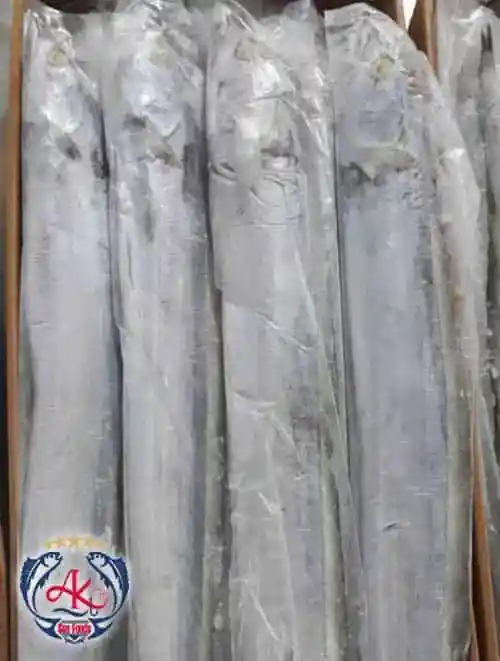
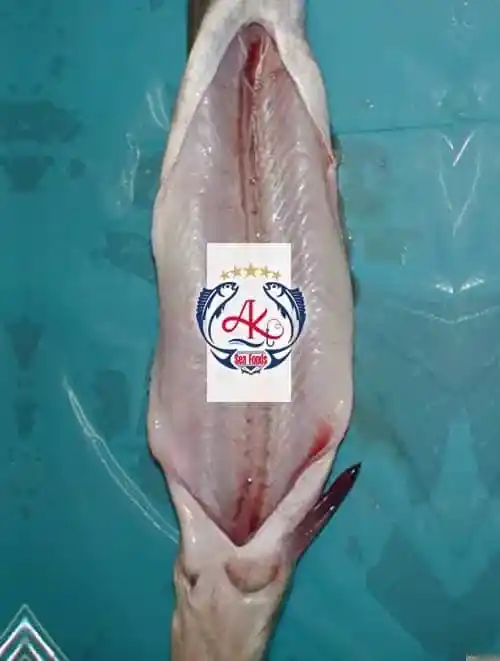
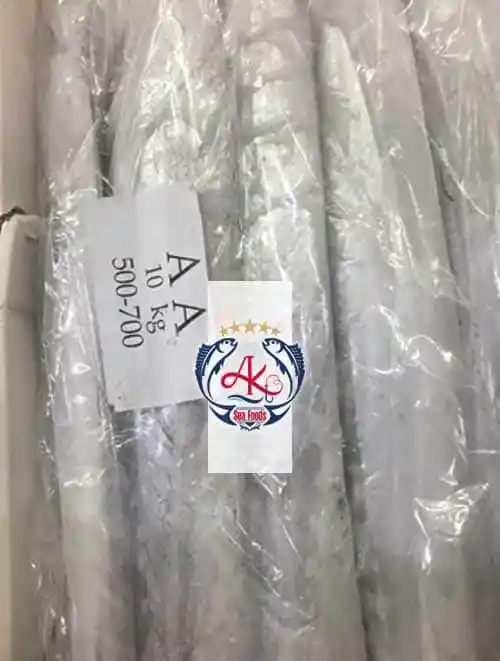
Frozen Ribbonfish Supplier

Ribbonfish Export

Eating fish without scales is not that common in Iran and because ribbonfish doesn’t have scales, it is widely exported to China, Japan, and other southeast Asian countries for industrial and edible purposes. The most important reasons for catching ribbonfish to export includes:

  • Considerable stocks Persian Gulf waters
  • High export value
  • Bringing money into the country in a significant way
  • Targeted trawling with a strong focus on catching ribbonfish
  • Exclusive fishing of it
    Creating jobs in the region

People in all tropical and subtropical waters consider ribbonfish stocks one of the most important sources of marine protein. In the past few years, researchers have found major sources of ribbonfish in depths of 20 to 100 meters in this region's waters. Furthermore, fishermen catch less ribbonfish compared to other species. Fishermen catch it to reduce overfishing of other aquatic species which in addition to creating jobs in the region, brings money into the country.

General Characteristics of Trachipteridae (Ribbonfish Family)

  • English name: Ribbonfish
  • Persian name: Yalasbimahian (Largehead Ribbonfish)
  • Biological and fishery
  • It is distributed in the Atlantic, Pacific, and Indian Oceans.
  • This fish has 10 generas and 45 species in the world's waters.
  • Ribbonfish has an extremely long and compressed body.
  • It has almost large eyes.
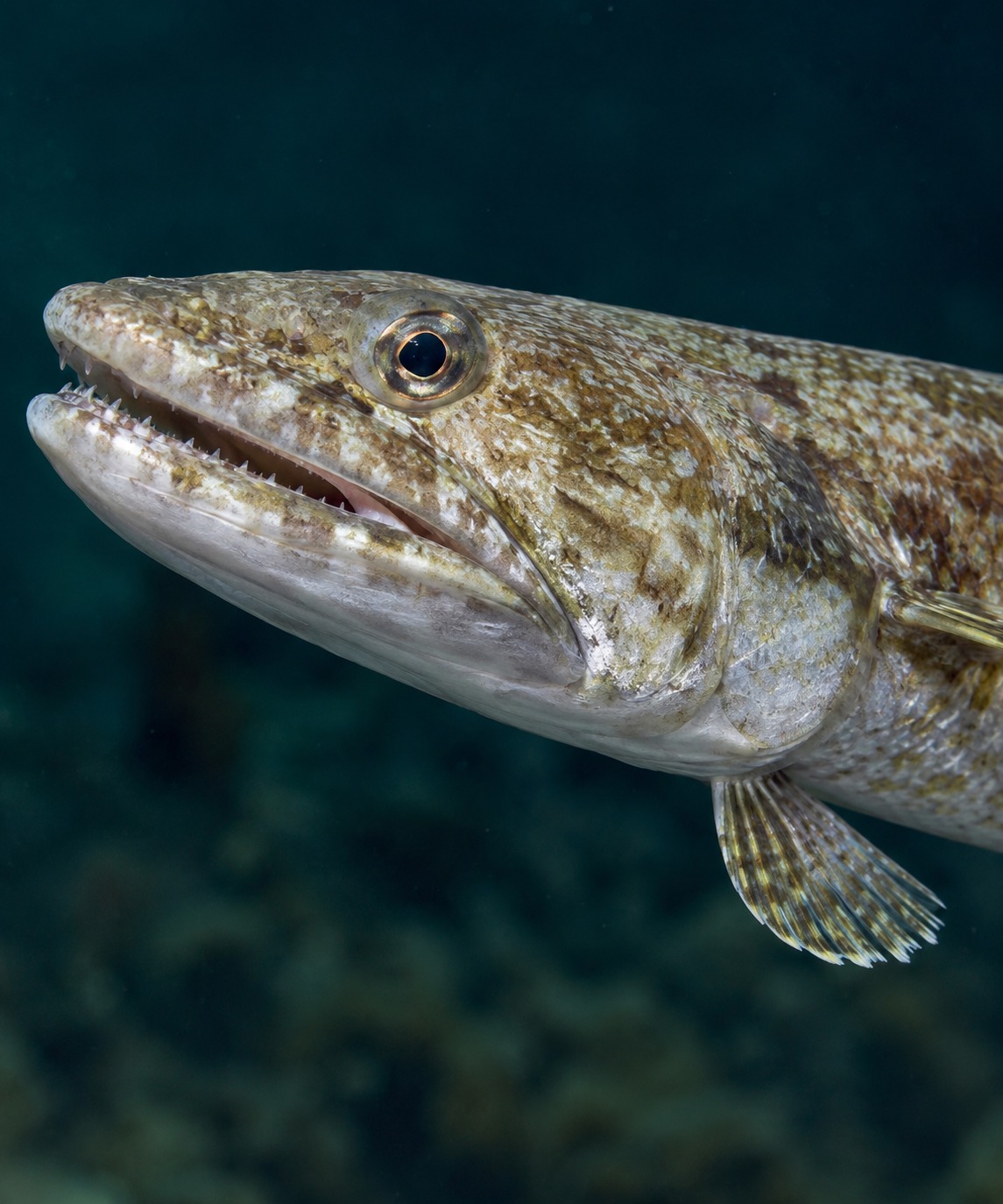
  • This fish jaws often have canine teeth.
  • Ribbonfish body reaches 120 cm but the average length is under 100 cm.
  • The dorsal fin is extremely long. The soft-rayed fin is often longer than the hard-rayed fins and there is a gap between these two parts in some cases.
  • The tail fin( caudal fin ) is small if present.
  • The abdominal fin, if present, is reduced to a scale-like spike and has a small soft ray.
  • This fish has 58 to 192 vertebrae.
  • It is found in a depth of about 100 meters in coastal waters.
  • Ribbonfish often come to the water surface at night.
  • It feed on crustaceans and small fish.
  • Because it has delicious meat, it is important for fishery purposes in many countries.
  • Fishermen catch ribbonfish using bag nets in estuaries, purse seine fishing in near-coastal waters, and trawl in waters offshore.

Distribution of Iranian Ribbonfish:

Reportedly, there are 3 biological generas of this fish in the Persian Gulf sea and the Sea of Oman. The most important species of the ribbonfish stock in the Persian Gulf waters and the Sea of Oman is largehead type.

Largehead Ribbonfish

  • Scientific name: Trichiuruslepturus
  • Persian and local name: Largehead ribbonfish and also Japanese cutlassfish
  • English Name: Ribbonfish, Japanese cutlassfish
  • This fish reportedly lives in Iranian waters and other territories such as Iraq, Kuwait, Saudi Arabia, Qatar, Yemen, UAE, Bahrain, India, Bangladesh, Pakistan, Sri Lanka, Cambodia, Macau, Malaysia, Indonesia, Philippines, Singapore, China, Hong Kong, Taiwan, Thailand, Vietnam, Japan, Maldives, Myanmar.
  • It also lives in Africa: Egypt, Sudan, South Africa, Tanzania, Somalia, Kenya, Eritrea, Comoros, Djibouti, Seychelles, Mauritius, Mozambique, Madagascar.
  • Largehead ribbonfish lives in Oceania: Australia, Fiji, Guam, Micronesia, Papua Guinea, Tonga, etc.

Reported habitats:

 Largehead ribbonfish is native to the Persian Gulf, the Sea of Oman, and other ecosystems such as Indian Ocean, Red Sea, Samarra Sea, San Miguel Bay, San Pedro Bay, Somali Coastal Streams, Yellow Sea, Arabian Sea, Bengal Bay, Indonesian Sea, Mediterranean Sea, Pacific Ocean, China Sea, Aden Bay and the Sea of Japan.

Habitat Characteristics

Largehead ribbonfish lives in the sea and saltwater. It is benthopelagic, meaning they live in both beds and the surface of the sea. This fish migrates to different places. It lives at a depth of 589 meters and usually at 100 to 350 meters in subtropical waters. The largehead ribbonfish inhabits the tropical and temperate waters of the world. It frequently lives above muddy beds in shallow coastal areas and commonly enters estuaries.

This fish also has a very narrow, long, and compressed on the sides body. It has a big mouth and a skin part on the tip of each jaw. Largehead ribbonfish has a relatively long caudal fin. The anal fin is reduced to a small protrusion in the skin. It doesn’t have any abdominal fins. The color of a live largehead ribbonfish appears blue with a metallic luster and a silver reflex, but it turns silver-gray after fishermen catch it or it dies. It ever witnessed is 234 cm. The usual size of it is 100 cm. The maximum weight of a fish is 5 kg. 

The oldest fish has reportedly been 15 years old. Young largeheaded ribbonfish enters the estuaries and eats small planktonic, pelagiccrustaceans, and small fish. Adult fish mostly eat other fishes and sometimes squids and crustaceans. This fish migrate for food. A study on largehead ribbonfish diet in Jask port in 1379 showed that 70% of their stomach was empty and they eat the most food in April and the least food in March. For this reason, this fish is considered a low-appetite fish.

It migrates vertically every day to find food. Adult largehead ribbonfish usually feeds near the seabeds during the day and they move to the seabeds at night. Young fishes and smaller ones, form a group at 100 meters above the sea beds and appear close to the water surface at night in smaller groups.
Reproduction of Largehead Ribbonfish

Largehead ribbonfish is mature at 56.6 cm. The average length of adult fish is between 30cm to 99 cm. Largehead ribbonfish lay eggs all year, but spring and autumn are peak seasons for egg-laying.

Catching Ribbonfish

Fishermen catch Largehead ribbonfish for industrial and sport purposes. In industrial fishing, fleets mostly use trawls to catch this fish, and they catch a larger average amount than they do with hooks.

Economical Values

People consider the largehead ribbonfish highly valuable. Fishermen and markets sell it fresh, salted, dried, or frozen. Fried and grilled largehead ribbonfish tastes best. Fresh fish is used to make Sashimi. It is one of the most important fish stocks in the Persian Gulf and the Sea of Oman. It is possible to produce gelatin from largehead ribbonfish wastes and skin and researchers in Iran have done some studies about this subject.

Reviews (0)

Reviews

There are no reviews yet.

Be the first to review “Ribbonfish”

Your email address will not be published. Required fields are marked *