

Cuttlefish Benefits: Nutrition, Protein and Health Benefits of Squid

Cuttlefish benefits include protein for muscle maintenance and tissue repair, vitamin B12 for normal nerve function, and minerals such as iron and selenium. With approximately 16.2 g of protein and just 79 calories per 100 g of raw meat, cuttlefish can be a healthy choice for a high-protein, low-carbohydrate diet. Grilling or steaming keeps added fat low. Squid offers similar nutritional benefits, although it is a different animal and its nutrient values vary.
| Key point | Summary |
|---|---|
| Main cuttlefish benefits | Provides complete protein, vitamin B12 and essential minerals that support normal body functions. |
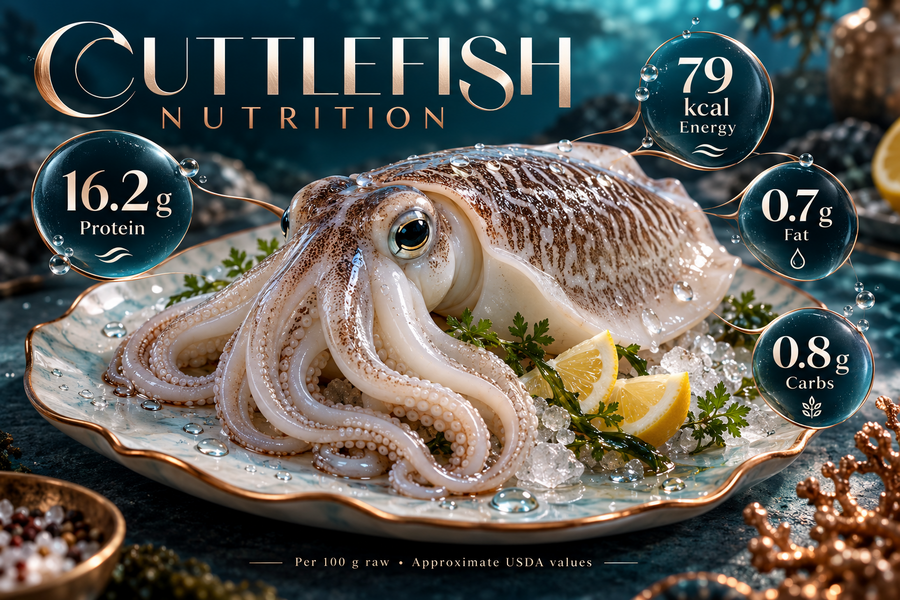
| Nutritional value | Approximately 79 calories, 16.2 g protein, 0.7 g fat and 0.8 g carbohydrate per 100 g of raw cuttlefish. Values vary by species and preparation. |
| Protein and tissue maintenance | Supplies all nine essential amino acids, supporting muscle maintenance, growth and normal tissue repair. |
| Heart health | Contains EPA and DHA omega-3 fatty acids. Grilling or steaming helps keep added fat low; eating cuttlefish does not guarantee prevention of heart disease. |
| Vitamins | B12 supports nerves and blood cells, while B2 and B6 contribute to normal metabolism. Vitamin content differs between squid and cuttlefish. |
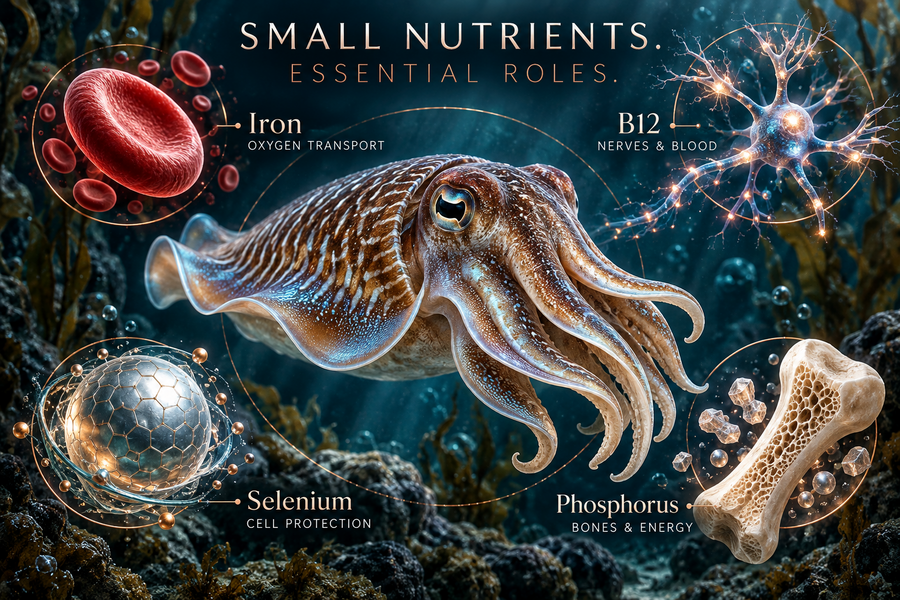
| Essential minerals | Iron supports oxygen transport, selenium supports antioxidant systems, phosphorus contributes to bones and energy metabolism, and potassium supports muscles and nerves. |
| Benefits for women | Protein, iron and B12 contribute to nutritional needs, but there is no established female-specific effect on hormones, fertility or menstrual symptoms. |
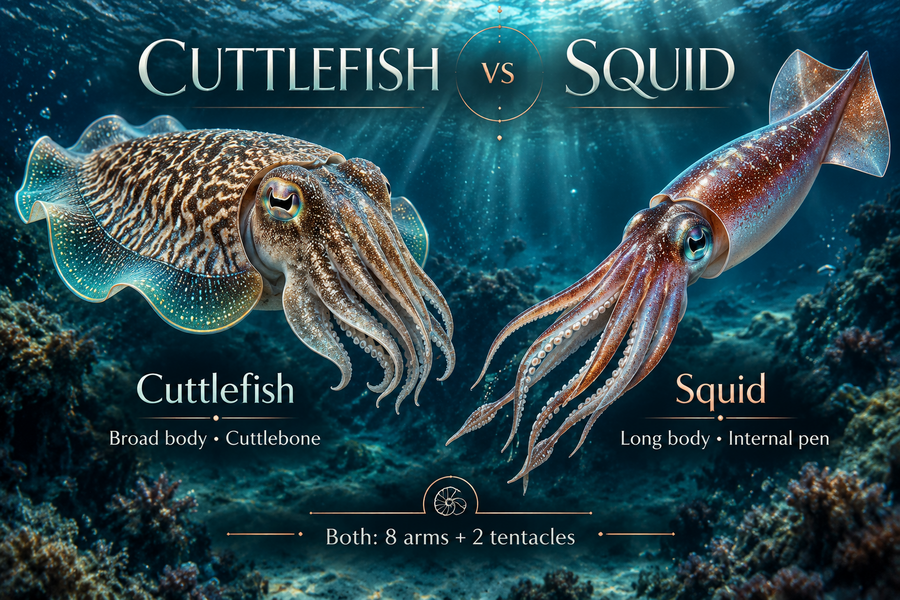
| Squid versus cuttlefish | Both are cephalopods with eight arms and two tentacles, but they are different animals with different body structures and nutrient profiles. |
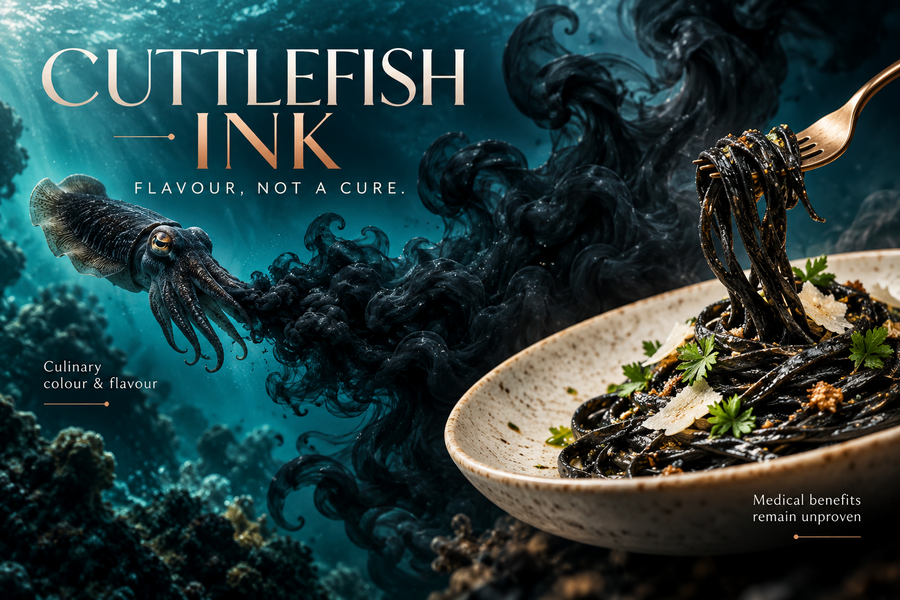
| Cuttlefish and squid ink | Adds colour and flavour to food. Proposed medical benefits remain unproven in humans; laboratory and animal findings do not establish treatment benefits. |
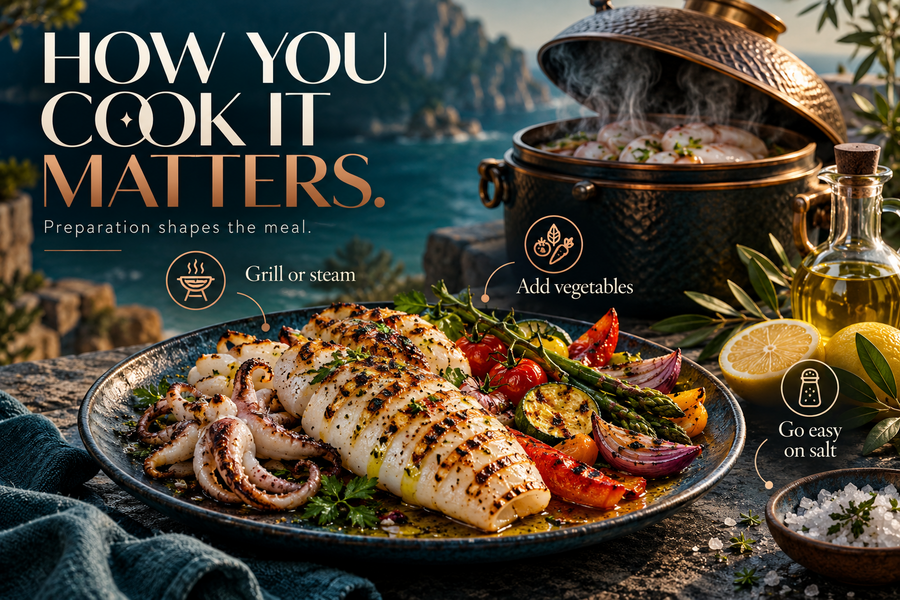
| Healthier preparation | Grill, steam or lightly stir-fry with vegetables. Limit batter, excessive oil and salty sauces. |
| Food safety | Buy from a reliable supplier, maintain refrigeration, thaw safely and cook thoroughly. People with relevant mollusc allergies should avoid the seafood and its ink. |
Characteristics of Squid and Cuttlefish
Squid belong to the cephalopods, alongside cuttlefish and octopus. Squid and cuttlefish have eight arms and two longer feeding tentacles, rather than ten identical legs. They use their appendages to catch prey and hold objects, while fins and jet propulsion help them swim.
Cuttlefish are sometimes called “sea chameleons” because they change colour rapidly. Both animals use colour changes for camouflage and communication with their own species.
| Characteristic | Cuttlefish | Squid |
|---|---|---|
| Body shape | Broad, oval mantle | Usually elongated mantle |
| Internal support | Cuttlebone | Flexible internal pen |
| Appendages | Eight arms, two tentacles | Eight arms, two tentacles |
Searches for cuttle fish benefits usually concern cuttlefish, while kadamba fish benefits may refer to squid under a regional market name. Confirm the species rather than assuming names are interchangeable. Iran Fish’s cuttlefish supplier page provides a starting point for product enquiries.
Cuttlefish Benefits and Nutritional Value
Cuttlefish health benefits come from its nutrient composition, not a proven ability to cure disease. Its tender, white meat can suit low-carbohydrate, high-protein diets. People asking “is cuttlefish healthy” should consider the portion, cooking method and overall diet.
The USDA seafood nutrient reference reports approximately these values for raw, mixed-species cuttlefish.
| Nutrient | Per 100 g raw cuttlefish | Practical meaning |
|---|---|---|
| Energy | 79 kcal | Before oil, batter or sauces |
| Protein | 16.24 g | Contributes to daily protein intake |
| Total fat | 0.7 g | Naturally low in fat |
| Carbohydrate | 0.82 g | Naturally low in carbohydrate |
Cuttlefish contains fatty acids including EPA and DHA, alongside vitamins and minerals. Species, processing and cooking affect nutritional values. When comparing squid fish benefits, use a squid-specific nutrition entry or the supplier’s product label.
Protein in Squid and Cuttlefish
A common question is “does cuttlefish have protein?” Yes: 100 g of raw cuttlefish supplies about 16.2 g. Cuttlefish protein is digested into amino acids that the body uses to maintain and repair tissues, including muscles and skin.
If you are wondering “is cuttlefish high in protein,” it supplies substantial protein relative to its low energy content. Squid also provides complete protein, although the precise quantity varies. Among the benefits of eating squid is its contribution of the nine essential amino acids adults must obtain from food. Nutrition generally describes 20 standard amino acids, nine essential for adults; the body can make the remaining eleven.
Protein supports growth in children and fetal development during pregnancy, as well as tissue maintenance in adults. It supplies building blocks used in collagen formation and normal wound repair; eating squid does not guarantee faster healing.
Squid, Cuttlefish and Heart Health
Several squid health benefits relate to replacing heavily processed foods with simply prepared seafood. These animals are naturally low in total fat, but their fat is not exclusively unsaturated. They also contain cholesterol, which should be considered within an individual’s dietary needs.
As the NIH explanation of omega-3 fatty acids describes, EPA and DHA have physiological roles, and particular therapeutic doses can lower triglycerides. This does not establish that a serving of squid prevents heart attacks, blood clots or artery blockage.
So, is cuttlefish good for you? For many people, it can be part of a varied diet. The health benefits of squid depend partly on preparation: deep-frying and salty sauces change the nutritional balance considerably.
| Preparation | Practical approach |
|---|---|
| Grilled or steamed | Use moderate oil and season with lemon |
| Stir-fried | Add vegetables and measure salty sauces |
| Battered and deep-fried | Account for extra fat and calories |
Vitamins in Squid and Cuttlefish
Squid and cuttlefish provide several vitamins, although the amounts differ. Riboflavin, or vitamin B2, supports energy metabolism and helps the body process carbohydrates, fats and proteins. It contributes to normal cellular function, growth and tissue maintenance; this does not mean squid regulates thyroid disease or treats reproductive problems.
Vitamin B12 is another relevant nutrient. The NIH vitamin B12 guidance explains its roles in healthy nerves, blood cells and DNA formation. Correcting deficiency matters, but eating cuttlefish is not an established treatment for depression, sleep problems, childhood asthma or low sperm count. Claims about melatonin production should not become promises of better sleep.
Vitamin C contributes to antioxidant protection, collagen production and immune function. However, squid should not automatically be described as an excellent vitamin C source. Neither seafood nor its vitamin content is a proven treatment for colds, flu, premature ageing, cancer, preeclampsia, Parkinson’s disease or autoimmune disorders.
Vitamin A supports eyesight, immunity and cell growth; vitamin B6 supports amino-acid metabolism and other normal functions. B6 also participates in homocysteine metabolism, without establishing blood-pressure benefits from squid. Niacin and folate contribute to the vitamin profile. These roles do not demonstrate that squid prevents kidney stones, lowers cholesterol or treats premenstrual syndrome. Questions about squid benefits for women should therefore focus on balanced nutrition rather than hormone-related promises.
Squid and Essential Minerals
The health benefits of cuttlefish also include its contribution of essential minerals. Selenium supports antioxidant enzymes that help protect cells, while iron contributes to haemoglobin and oxygen transport. Iron-containing foods support dietary adequacy, but suspected anaemia needs assessment rather than reliance on one food.
| Mineral | Established nutritional role |
|---|---|
| Selenium | Supports antioxidant systems |
| Iron | Supports oxygen transport |
| Phosphorus | Contributes to bones, teeth and energy metabolism |
| Calcium | Supports bones, muscles and nerve signalling |
| Potassium | Supports fluid balance, nerves and muscles |
Magnesium, zinc, copper, manganese and sodium also occur in varying amounts. Calcium content does not establish that cuttlefish prevents osteoporosis, PMS or cancer. Likewise, potassium’s normal functions do not mean this seafood treats anxiety, kidney disease or prevents strokes. Phosphorus supports cellular function, rather than independently improving digestion, hormones or brain performance.
People searching for squid benefits for female nutrition may be interested in protein, iron and B12.
Health Benefits of Squid Ink and Cuttlefish Ink
Like octopus, squid and cuttlefish release dark ink primarily for defence against predators. Interest in cuttlefish ink benefits includes culinary uses and research into its compounds. Ink adds colour and savoury flavour to pasta, rice and sauces.
Traditional and homeopathic preparations have been promoted for menstrual problems, skin complaints and depression. However, NCCIH’s review of homeopathy explains the lack of reliable evidence for treating health conditions. Pills or capsules marketed with ink-derived ingredients do not establish effectiveness or equivalence to edible ink.
Claims involving eczema, rashes, redness, hives, yeast and fungal infections remain unproven clinical uses. Experimental research, including a mouse study of squid ink extract and chemotherapy-related injury, examined blood formation, bone marrow and spleen effects. Such findings do not show that eating ink protects patients during chemotherapy or radiation, or maintains human haemoglobin levels.
Choosing and Preparing Seafood
The benefits of squid fish are best considered alongside safe sourcing. For commercial orders, review species and processing details with a squid supplier, and ask about packaging and cold-chain handling.
If your question is “is cuttlefish healthy to eat,” preparation and allergies matter. Follow FDA seafood handling advice: thaw in the refrigerator and cook thoroughly. People with mollusc allergies should avoid relevant products, including their ink. Pregnancy calls for fully cooked seafood and appropriate species guidance.
Understanding squid fish health benefits starts with accurate product information; an Iranian seafood exporter can help buyers compare available products and specifications.